Carbon Fiber for Automotive: Revolutionizing Industry Practices
The automotive sector is undergoing a profound transformation, driven by the need for innovative materials like carbon fiber that enhance performance and efficiency. Known for its remarkable ability to reduce vehicle weight by up to 60%, carbon fiber significantly boosts fuel efficiency and driving dynamics. This article explores the transformative impact of carbon fiber in the automotive industry, highlighting real-world applications and case studies across various sectors. We will look at how industry leaders leverage carbon fiber for interiors, structural parts, and more. For further details on this game-changing material, you can find out more about its role in the automotive landscape.
Key Insights
- Vehicle weight reduction of up to 60% through carbon fiber enhances fuel efficiency.
- Carbon fiber solutions offer customization for precise integration and aesthetics in vehicles.
- Materials such as 3K Twill Carbon Fiber Prepreg provide outstanding tensile strength of 600 MPa.
- Consider suppliers’ ISO 9001 certification, lead times, and customization capabilities.
Benefits and Characteristics of Carbon Fiber in Automotive Applications
Strength and Composition
Carbon fiber stands out in the automotive sector for delivering an excellent strength-to-weight ratio, making it a preferred choice for manufacturers aiming to enhance vehicle performance. Typically, carbon fibers offer tensile strengths between 400 and 700 MPa with a modulus of elasticity reaching up to 240 GPa. This combination allows for the crafting of durable, lightweight components essential for high-performance automotive designs.
- High tensile strength: 600 MPa (e.g., 3K Twill Carbon Fiber)
- Low density: Approximately 1.6 g/cm³
- Thermally stable: Capable of withstanding temperatures up to 150°C
- Outstanding fatigue resistance
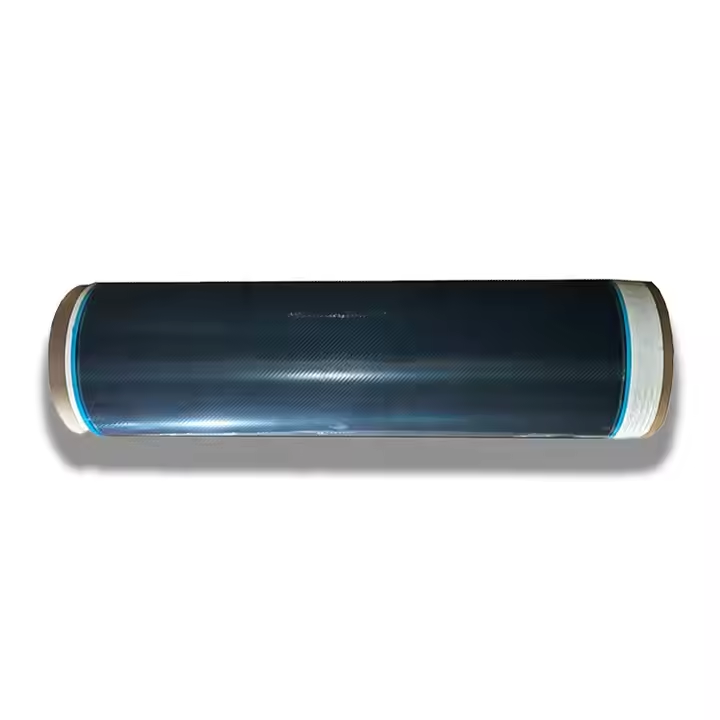
Utilizing components like the 3K Twill Carbon Fiber Fabric Epoxy Resin Prepreg ensures durability and reliability in automotive engineering.
Improving Efficiency Through Weight Reduction
Carbon fiber’s primary advantage in automotive design is its ability to drastically reduce the weight of vehicles without sacrificing safety or performance. This reduction enhances fuel efficiency and aligns with environmental sustainability goals. According to ISO 14125 standards, carbon fiber components can achieve up to a 50% weight reduction compared to conventional steel parts.
| Material | Tensile Strength (MPa) | Density (g/cm³) |
|---|---|---|
| Carbon Fiber | 600 | 1.6 |
| Aluminum | 310 | 2.7 |
| Steel | 500 | 7.8 |
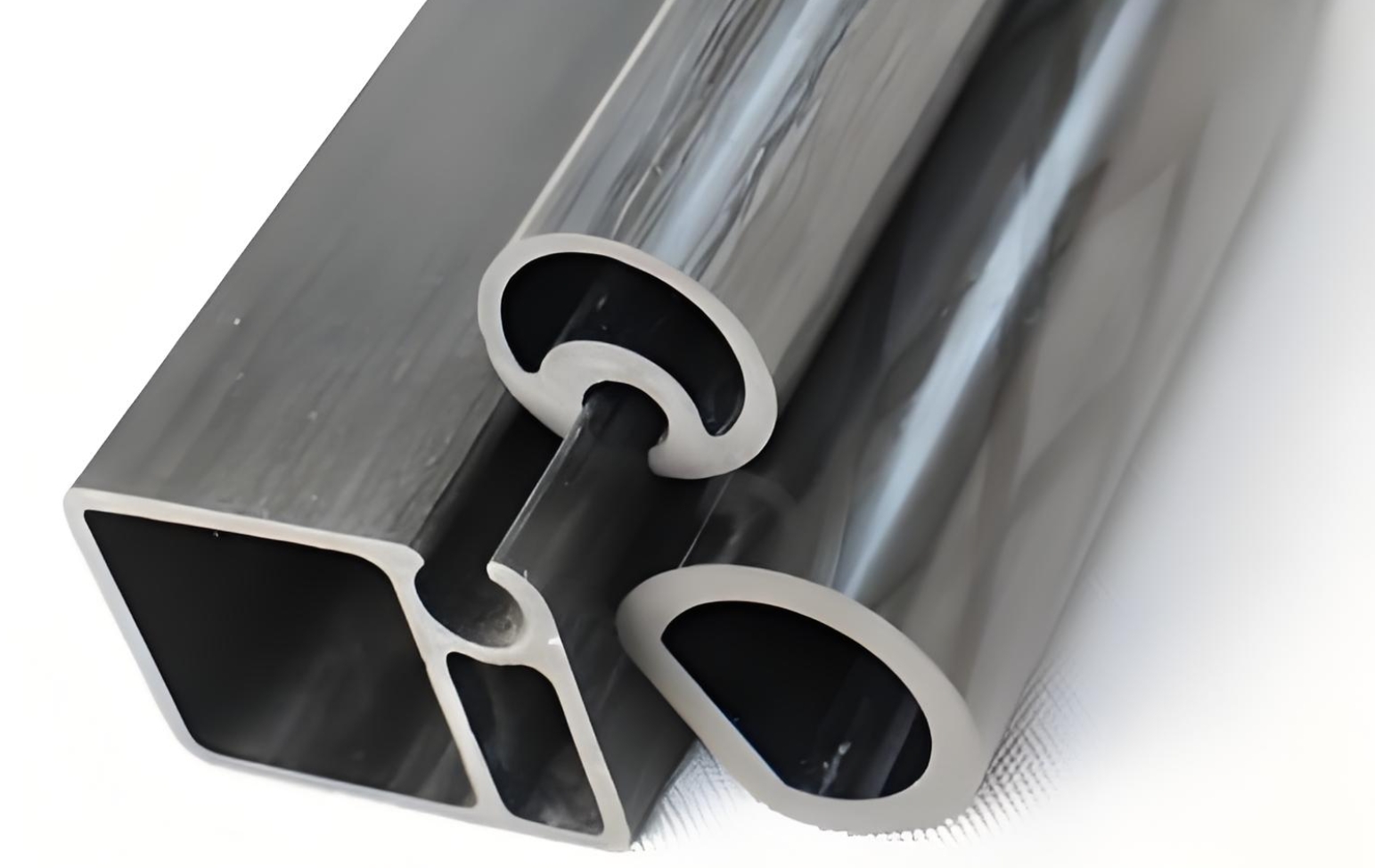
Impact Materials offers tailored solutions such as the Special Section Pultruded Carbon Fiber Rod for diverse structural automotive components.
Carbon Fiber’s Role in Automotive Design
Enhancing Interior Components
Carbon fiber offers both aesthetic and functional advantages for automotive interiors. It is commonly used in dashboards, door panels, and seat frames due to its sleek look, perfectly complementing modern automobile designs. Products like the Matte / Glossy Pultrusion Carbon Composite Material CFRP Carbon Fiber Square Pipe exemplify how carbon fiber combines visual appeal with structural strength.
Structural and Exterior Innovations
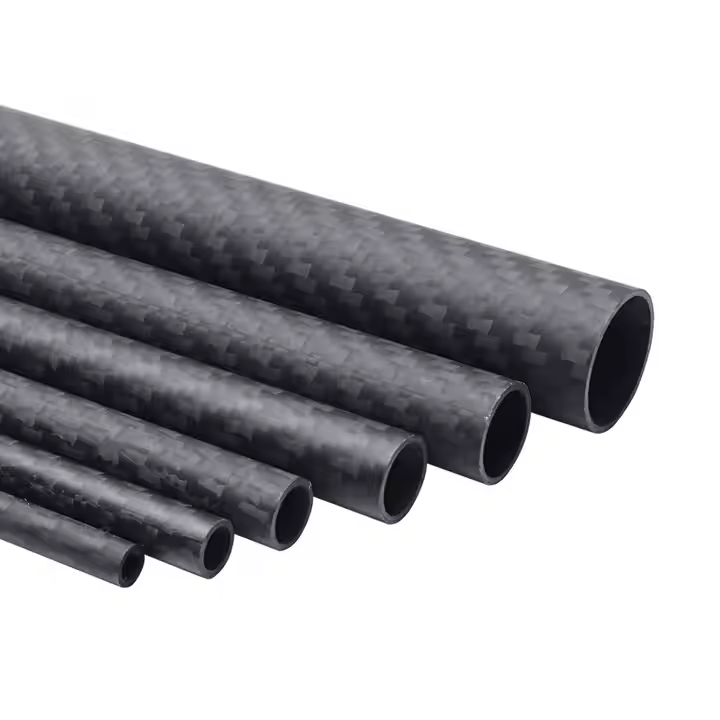
In the construction of structural and exterior parts, carbon fiber is extensively utilized for its high strength-to-weight ratio and its resilience to environmental factors. Applications include body panels, hoods, and spoilers. The Round Rod Carbon Composite Material is often selected for these purposes, ensuring both durability and optimal performance.
Featured Products
Discover top-rated carbon fiber products from Impact Materials, trusted by manufacturers worldwide.
Choosing Carbon Fiber for Automotive Needs
Criteria for Selecting Suppliers
When selecting carbon fiber suppliers, it’s important to consider their expertise and product certifications. Suppliers like Impact Materials, with ISO 9001 certification, provide assurance of quality and customization, supported by a proven track record. For a reliable carbon fiber for automotive manufacturer, suppliers must demonstrate exceptional capabilities in product adaptation and lead time management.
Conclusion
Carbon fiber’s role in automotive manufacturing is a testament to its transformative potential. As industries strive for better performance and efficiency, the integration of carbon fiber remains a pivotal strategy. For tailored solutions and expert guidance, visit Impact Materials for carbon fiber for automotive solutions to explore opportunities that align with your manufacturing goals.