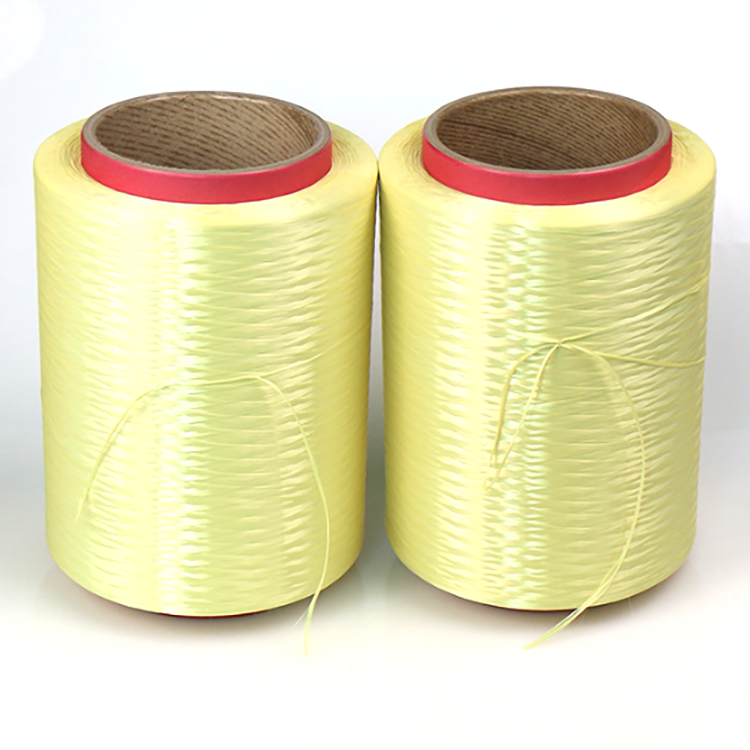
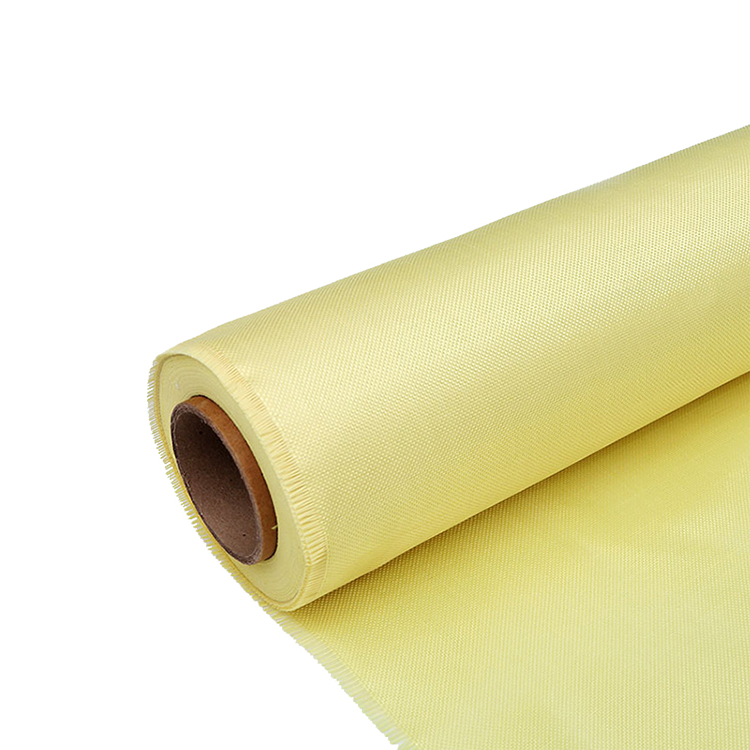
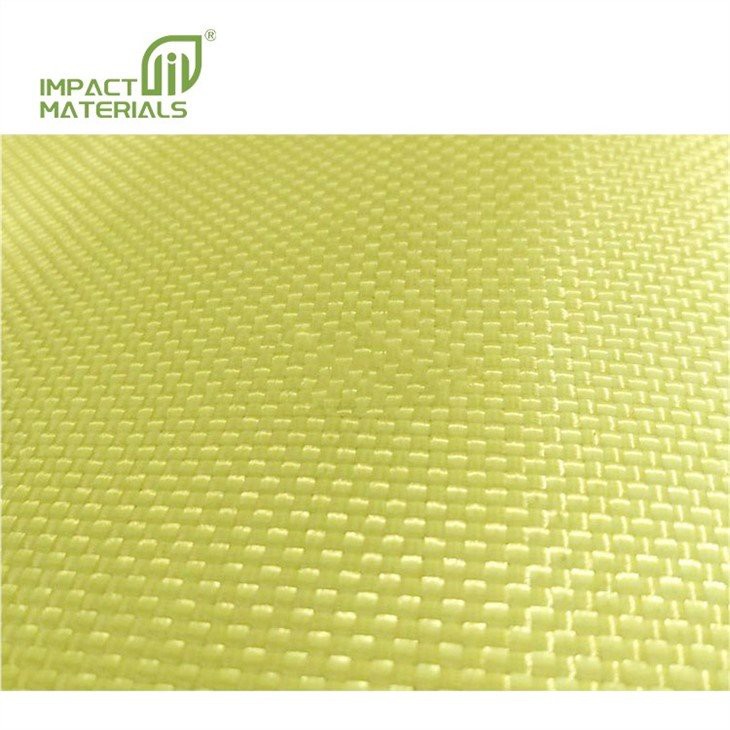
Aramid fabric Manufacturer: What USA Buyers Need to Know About Sourcing Kevlar and Nomex Fabrics
Selecting the right aramid fabric manufacturer USA requires careful evaluation of mechanical properties, weave constructions, quality certifications, and supplier capabilities. This article distills decades of composite materials expertise into a practical procurement reference for international buyers.
Key Takeaways
- Aramid fiber delivers tensile strength of 3,620 MPa with density only 1.44 g/cm3 — making it 5x stronger than steel at a fraction of the weight according to ASTM D7269
- The global aramid fiber market is projected to reach $5.8 billion by 2028, driven by defense, automotive, and personal protection equipment require
- Qualified aramid fabric manufacturers maintain ISO 9001 certification and test to standards including ASTM D7269, EN ISO 2286-3, and STANAG 2920 for ballistic applications
- Para-aramid (Kevlar/Twaron type) dominates structural and ballistic applications while meta-aramid (Nomex type) excels in thermal and fire-resistant applications
Understanding Aramid Fiber Types and properties
Aramid fibers are aromatic polyamide fibers where at least 85% of the amide linkages are attached directly to two aromatic rings. This molecular structure produces fibers with superior thermal stability and mechanical strength. The two primary aramid fiber families serve fundamentally different application requirements, and buyers must specify the correct fiber type when evaluating manufacturers.
Para-Aramid: The strength Champion
Para-aramid fibers (poly-paraphenylene terephthalamide), commercially produced as DuPont Kevlar, Teijin Twaron, and Kolon Heracron, achieve tensile strength of 2,900-3,620 MPa at a density of only 1.44 g/cm3. By comparison, high-strength steel achieves approximately 1,000-2,000 MPa at 7.85 g/cm3 — meaning para-aramid delivers 5-15x the specific strength (strength-to-weight ratio) of structural steel. The fiber maintains mechanical properties from -196°C to +180°C continuous service temperature and exhibits excellent resistance to organic solvents, fuels, and lubricants. however, para-aramid degrades under prolonged UV exposure and is susceptible to hydrolysis under extreme pH conditions (below pH 2 or above pH 10).
Meta-Aramid: The Thermal Shield
Meta-aramid fibers (poly-metaphenylene isophthalamide), commercially produced as DuPont Nomex, Teijin Teijinconex, and Yantai Tayho Apyeil, prioritize thermal resistance over tensile strength. With continuous service temperature up to 200-220°C and a limiting oxygen index (LOI) of 28-32%, meta-aramid fibers do not melt, drip, or support combustion — making them the standard material for firefighter turnout gear, racing driver suits, and aircraft interior textiles. Tensile strength is lower than para-aramid at approximately 600-700 MPa, but the fiber retains usable strength at temperatures that would degrade most organic materials.
| Property | Para-Aramid (Kevlar 49) | Meta-Aramid (Nomex III) | E-Glass Fiber | S-Glass Fiber |
|---|---|---|---|---|
| Tensile strength (MPa) | 3,620 | 620 | 2,400-3,450 | 4,580 |
| Tensile Modulus (GPa) | 131 | 17 | 70-73 | 88-91 |
| Elongation at Break (%) | 2.5-3.5 | 22-32 | 3.5-4.0 | 4.0-4.5 |
| Density (g/cm3) | 1.44 | 1.38 | 2.55 | 2.49 |
| Continuous Service Temp (C) | 180 | 200-220 | 350 | 300 |
| LOI (%) | 28-29 | 29-32 | N/A (inorganic) | N/A (inorganic) |
| UV Resistance | Poor | Moderate | Good | Good |
| Impact Resistance | excellent | Good | Poor | Fair |
Key applications Driving USA require for Aramid fabric
Military and Defense
The United States Department of Defense remains the single largest consumer of aramid fabric globally. applications include personnel body armor (NIJ Level IIIA soft armor panels and hard armor plate carriers), vehicle ballistic protection (up-armored HMMWV and MRAP interior spall liners), helicopter rotor blade leading edge erosion protection, parachute suspension lines, and radar-transparent structural components. USA defense procurement contracts for aramid fabric typically require first-tier manufacturer documentation including lot-level traceability, yarn tensile test data, fabric areal weight certification, and compliance with military requirements such as MIL-C-8061D (Aramid fabric, Woven) and MIL-DTL-87130 (Aramid Fiber Reinforced Plastic). International manufacturers seeking USA defense contracts must comply with International Traffic in Arms Regulations (ITAR) and obtain Defense Priorities and Allocations System (DPAS) rated orders in some cases.
Automotive and Racing
The automotive sector represents one of the fastest-growing application segments for aramid fabric in the USA. Tire manufacturers use aramid cord as belt reinforcement in high-performance tires, where the fiber’s high strength and thermal stability enable lower belt weight and improved high-speed durability. Racing series including Formula 1, NASCAR, and IndyCar mandate aramid (Nomex) fire-resistant driver suits, underwear, gloves, and helmet liners according to FIA Standard 8856-2000. Beyond racing, aramid composites are increasingly specified for EV battery pack structural components, where the fiber’s combination of impact resistance and electrical insulation offers inherent short-circuit protection. Impact materials supplies para-aramid and meta-aramid fabrics to automotive component manufacturers and composite fabricators across North America, Asia, and Europe.
Personal Protective Equipment
USA workplace safety regulations (OSHA 29 CFR 1910) drive consistent require for aramid-based PPE including cut-resistant gloves (ANSI/ISEA 105-2016 A4-A6 cut levels using para-aramid blends), heat-resistant gloves and sleeves for foundry and welding applications (meta-aramid), ballistic-rated vests for law enforcement (NIJ 0101.06 compliance), and slash-resistant body armor for corrections officers. The PPE sector values consistent material properties and full batch traceability, as garment manufacturers must maintain according to-garment documentation for liability and compliance purposes. Qualified aramid fabric suppliers provide lot-specific test reports, fiber manufacturer certificates of conformance, and traceability from raw fiber through finished fabric.
Aerospace
Aircraft manufacturers specify aramid fabrics for interior panel reinforcement, overhead bin structures, seat back panels, and cargo liner systems where the fiber’s combination of fire resistance, low smoke emission, and low toxicity (according to FAR 25.853 smoke and toxicity requirements) is essential. Aramid-epoxy honeycomb sandwich panels, using aramid fiber (Nomex) paper honeycomb cores bonded to carbon fiber or fiberglass face sheets, are a standard structural form in commercial and military aircraft primary and secondary structures. The Boeing 787, Airbus A350, and most modern wide-body aircraft utilize significant quantities of aramid-reinforced composite structures in their interior and secondary structural design.
Need a custom solution? Our technical experts are ready to help.
More Aramid fabric Manufacturer Usa Solutions
Discover additional aramid fabric manufacturer USA options to meet your specific project requirements.
Ready to Source Quality Composite materials?
Impact materials serves 120+ countries with 400+ product requirements. Get your custom quote in 24 hours.
Work With a Trusted Aramid fabric Manufacturer Usa Supplier
Hangzhou Impact New materials Co., Ltd. (Impact materials) has delivered aramid fabric manufacturer USA solutions to clients in 120+ countries for over 20 years. Our 3,200+ successful projects and 400+ product requirements mean we have exactly what your project needs.